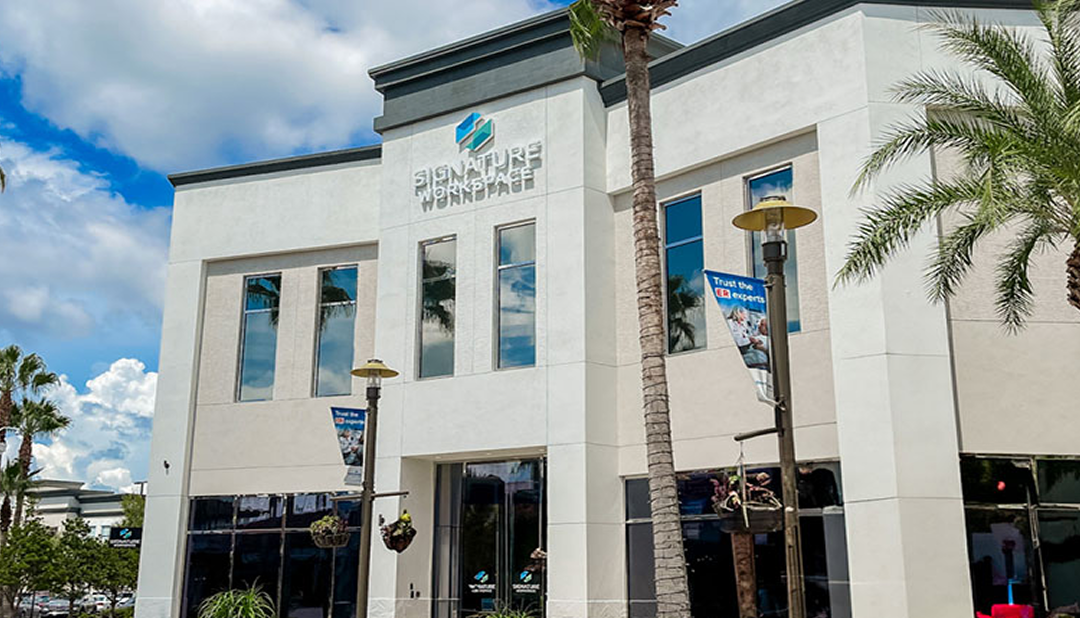
The local business landscape has shifted, and the old-school way of locking yourself into a five-year commercial lease is becoming a relic of the past. If you’re a local owner navigating this shift, you’ve likely realized that a coworking remote working solution isn’t just some tech-bro trend anymore; it’s a battle-tested infrastructure for companies that need to stay lean and mean in a volatile market.
Key Takeaways
- Operational Agility: 55% of global corporations now integrate flexible workspace into their long-term real estate strategy to hedge against market shifts.
- Talent Retention: 81% of employees report higher loyalty to employers who offer flexible, professionally managed work options.
- Cost Control: Coworking typically reduces overhead by 20–30% compared to traditional leases when factoring in utilities, maintenance, and furniture.
- Community ROI: Proximity to industry peers (like CIC’s offshore wind cluster) accelerates networking and lead generation far faster than isolated offices.
Get In Touch With Us Now
In a hurry? Call us at (813) 442-4643
Find a Place for Success
What’s the Score with Coworking?
When we talk about workspace today, we’re talking about a modular home base that works as hard as you do. A true remote working solution in the coworking world isn’t just a desk; it’s a broad spectrum of “flex” options designed to keep your team sharp. Whether you need open territory in a coworking area for maximum agility or a locked executive suite for sensitive client meetings, modern hubs allow you to scale up or down without moving trucks or legal penalty fees.
Why This is Now a Core Play for Local Business
Business owners aren’t moving into shared spaces just for the “vibe”—they’re doing it because the math finally makes sense. For a mid-sized firm, this is all about de-risking. Instead of signing your life away on a massive floor plan, you put your people where they’re most productive. This takes the “facility manager” hat off your head so you can focus on the work that actually generates revenue, while your provider handles the high-speed Wi-Fi, security, and infrastructure.
The Professional Reliability Framework
- Distributed Deployment: Placing crews in hyper-local hubs closer to their homes to slash commute stress and carbon footprints.
- Turnkey Scaling: Spinning up a 10-person project team in 48 hours with fully furnished, IT-enabled private offices.
- Industry Clustering: Tapping into specialized ecosystems (like the CIC Providence Offshore Wind Cluster) to feed each other leads and expertise.
Who’s Actually Moving Into These Hubs?
You’ll see everyone from solo tradesmen to corporate VPs walking through these doors. It’s not about “who” uses it—it’s about how fast you can adapt your space to your current payroll. Service businesses use coworking as a turnkey front for clients, while early-stage startups use it to build culture without the weight of a long lease. Even big corporations are moving in, using shared spaces as satellite offices to attract local talent in specific neighborhoods.
Contextual Execution Clusters
- For the Solo Professional: Hot desks and dedicated stations for those who need a professional rig and a door that closes.
- For the Scaling Firm: Private suites and project spaces for high-intensity, short-term contracts.
- For the Technical Maker: Shared and private labs (like CIC St. Louis Labs) built for R&D and hard-hat research.
Get In Touch With Us Now
In a hurry? Call us at (813) 442-4643
Find a Place for Success
The Real-World Edge of Shared Space: The “Collision” Factor
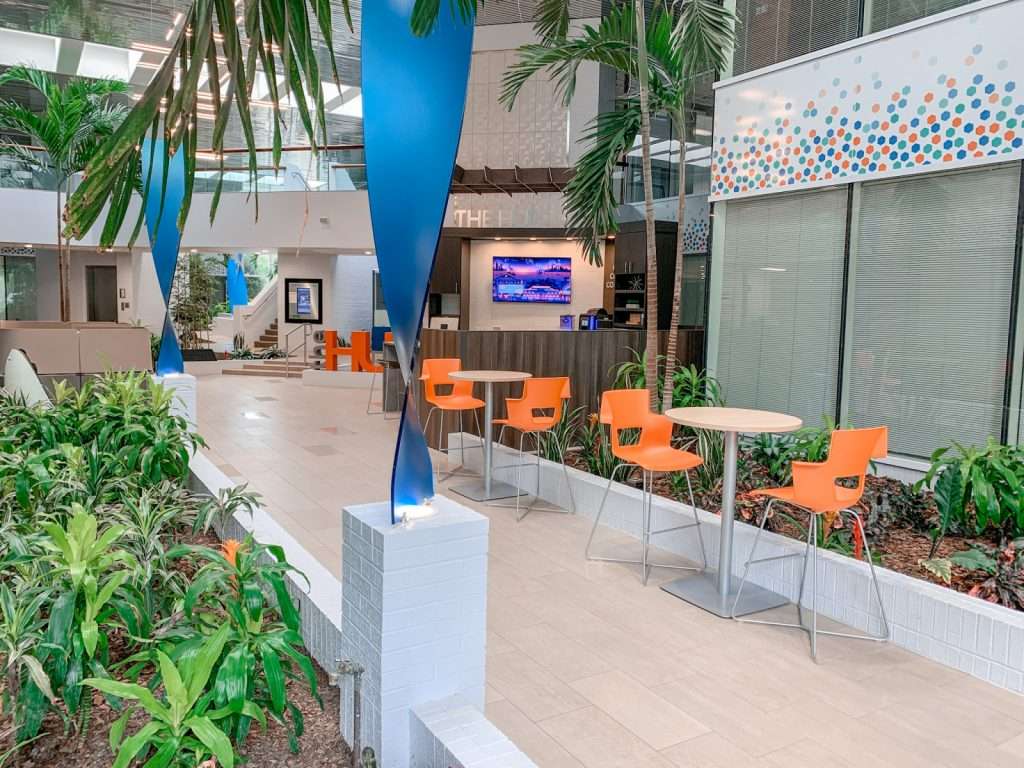
The real magic happens when you get different experts under one roof—proximity breeds performance. When you’re in a purpose-built environment, you’re rubbing shoulders with potential partners every day. Serious spaces, such as those managed by CIC (Cambridge Innovation Center), maximize this through biophilic design, natural light, and shared breakout zones that encourage “water cooler” talk. This isn’t just about sharing a printer; it’s about solving a problem faster because the guy at the next desk is a specialist in exactly what you’re struggling with.
Multi-Layered Entity Bullets
- Hybrid-First Floor Plan: Office layouts that prioritize collaboration zones over empty, static cubicles.
- Biophilic Design: Integrating natural light and greenery to reduce the “home isolation” burnout that hit 1 in 5 workers in recent years.
- All-Inclusive Membership: A single predictable monthly rate covering internet, utilities, cleaning, and concierge services.
- Venture Café: A CIC-specific programming model that builds community through weekly events and global networking.
Putting Your Property Strategy into Motion
The bottom line is that coworking isn’t about counting heads or squeezing people into rows. It’s about building a strategic base of operations that can pivot as fast as the market does. For the local business owner, this is the ultimate hedge against uncertainty. You get the stability of a professional office without the rigidity of a 10-year contract.
Contact us today to discover how Signature Workspace can support your next move.
Frequently Asked Questions
Is coworking actually cheaper than a traditional lease?
Yes, when you factor in the “hidden” costs. Traditional leases require you to pay for square footage you might not use, plus furniture, IT setup, cleaning, and utilities. Coworking bundles these into one predictable monthly cost on flexible terms.
How does a coworking remote working solution handle security?
Top-tier providers like CIC offer private networks, digital access control, and 24/7 security monitoring. Your team gets the benefit of a shared campus while your data and private offices remain entirely secure.
Can I use a coworking space for specialized work, like lab research?
Absolutely. Many modern innovation hubs now include shared and private lab spaces (BSL-2 certified) with specialized equipment like centrifuges and flow cytometers, allowing biotech startups to scale without building their own multi-million dollar facilities.
What is the “break-even” point for moving a small team into coworking?
For most teams of 1 to 20 people, the break-even point is immediate. You avoid the massive upfront capital expenditure of an office build-out and the risk of a long-term liability, making it a “cash-flow positive” move from month one.
Does coworking help with the “loneliness” of remote work?
Significantly. Data shows that workers in coworking environments report higher levels of well-being and productivity. The “intentional community” aspect provides the social interaction of an office without the forced corporate politics.
Get In Touch With Us Now
In a hurry? Call us at (813) 442-4643
Find a Place for Success