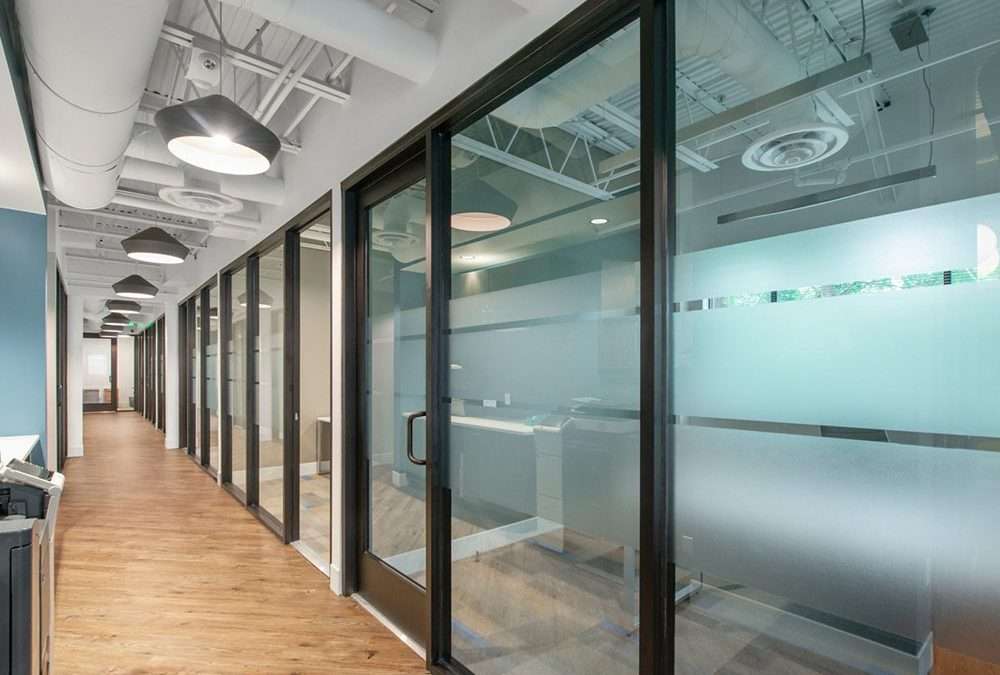
How big is a typical office space? The short answer is that it depends on the type of business, the number of employees, and how the space will actually be used day to day. Some companies only need a small private office for meetings and focused work, while others need larger layouts for teams, collaboration, and client visits.
In Northdale, businesses are looking for flexible office solutions more than ever. Startups, remote workers, consultants, and growing companies want spaces that fit their needs without paying for square footage they’ll never use. That’s where companies like Signature Workspace stand out by offering professional workspaces designed for flexibility, comfort, and productivity.
Here’s what matters: choosing the right office size is not just about cost. It affects employee comfort, workflow, professionalism, and even customer impressions.
Key Takeaways
- Typical office spaces can range from 100 to several thousand square feet.
- Small businesses often need 100–500 square feet for daily operations.
- Coworking and shared office solutions help reduce overhead costs.
- Office layout impacts productivity just as much as square footage.
- Flexible workspaces in Northdale allow businesses to scale more efficiently.
Book A Tour Today!
What Determines the Size of an Office Space?
Office size is usually based on three main things:
- Number of employees
- Type of work being done
- Need for meeting or storage areas
A solo entrepreneur may only need a small private office or coworking desk. Meanwhile, a legal firm, marketing agency, or sales team may need conference rooms, reception areas, and collaborative spaces.
Years ago, offices were packed tightly with cubicles. That’s changing. Modern businesses often prefer open layouts, flexible seating, and hybrid work models.
This means many companies today can operate effectively with less space than they would have needed in the past.
How Much Space Does One Employee Need?
A common rule is around 100 to 200 square feet per employee. However, that number changes depending on the industry.
For example, a five-person business may comfortably operate in a 500–750 square-foot office if the layout is designed well.
This is one reason flexible workspaces are becoming popular in Northdale. Businesses want efficient layouts instead of oversized offices with wasted space.
How Big Is a Typical Office Space for Small Businesses?
Small Office Spaces
When people ask how big is a typical office space, they’re often thinking about small business offices.
Most small offices range from:
- 150–500 square feet for solo professionals
- 500–1,000 square feet for teams of 3–10
- 1,000–3,000 square feet for growing businesses
A real estate consultant may only need one office and a meeting room. A small accounting firm may need separate offices, file storage, and a reception area.
This is why there’s no perfect one-size-fits-all answer.
At Signature Workspace in Northdale, businesses can choose from private offices, coworking areas, and meeting spaces depending on what fits their operations best.
The Difference Between Private Offices and Coworking Spaces
Many businesses today are comparing traditional office leases with coworking options.
Private Offices
Private offices provide:
- More privacy
- Better noise control
- Dedicated branding opportunities
- Consistent workspace setup
These are ideal for:
- Attorneys
- Financial advisors
- Consultants
- Small teams handling confidential work
Coworking Spaces
Coworking spaces are more flexible and cost-effective.
They usually include:
- Shared amenities
- Networking opportunities
- Flexible memberships
- Lower startup costs
For freelancers and remote workers in Northdale, coworking spaces offer professional environments without long-term commitments.
Honestly, many businesses realize they don’t need massive offices anymore. They just need reliable internet, professional meeting areas, and a productive environment.
Office Layout Matters More Than People Think
A poorly designed 2,000-square-foot office can feel cramped. Meanwhile, a smartly designed 800-square-foot office can feel open and efficient.
This is what you should know before making a decision: layout affects productivity.
Important office layout features include:
- Natural lighting
- Conference room placement
- Noise reduction
- Employee traffic flow
- Storage organization
Modern office providers like Signature Workspace focus heavily on functionality, not just square footage. Businesses want spaces that feel professional without wasting money on unused areas.
Common Office Space Types in Northdale
Businesses in Northdale have several workspace options available.
Executive Suites
Executive suites are move-in-ready offices with shared amenities.
These usually include:
- Furnished offices
- Reception services
- Utilities
- Internet
- Mail handling
They work well for small businesses wanting a professional image quickly.
Shared Office Spaces
Shared offices provide affordability and flexibility.
They’re common among:
- Freelancers
- Startups
- Remote workers
- Small creative teams
Meeting Rooms
Some businesses only need office space occasionally.
Meeting rooms are useful for:
- Client presentations
- Interviews
- Team collaboration
- Training sessions
This setup allows businesses to maintain a professional image without paying for full-time office leases.
Signs Your Office Space Is Too Small
Sometimes businesses outgrow their office faster than expected.
Here are common signs:
Employees Feel Crowded
If desks are too close together or employees struggle to focus, the office may be undersized.
Lack of Meeting Areas
Businesses often overlook conference room needs. If meetings constantly interrupt daily work, additional space may help.
Storage Is Overflowing
Excess paperwork, equipment, or supplies can make offices feel chaotic.
Clients Notice the Tight Space
First impressions matter. Cramped offices can appear unprofessional to clients and customers.
Signs Your Office Space Is Too Large
Bigger is not always better.
An oversized office can create:
- Higher monthly costs
- Unused rooms
- Increased utility bills
- Reduced efficiency
A lot of businesses in Northdale are downsizing intentionally because hybrid work models allow employees to work remotely part of the week.
Paying for unused square footage simply doesn’t make sense anymore.
How to Choose the Right Office Size
Think About Future Growth
Choose a space that supports moderate growth without becoming excessive.
A good rule is planning for the next 12–24 months instead of only current needs.
Consider Shared Amenities
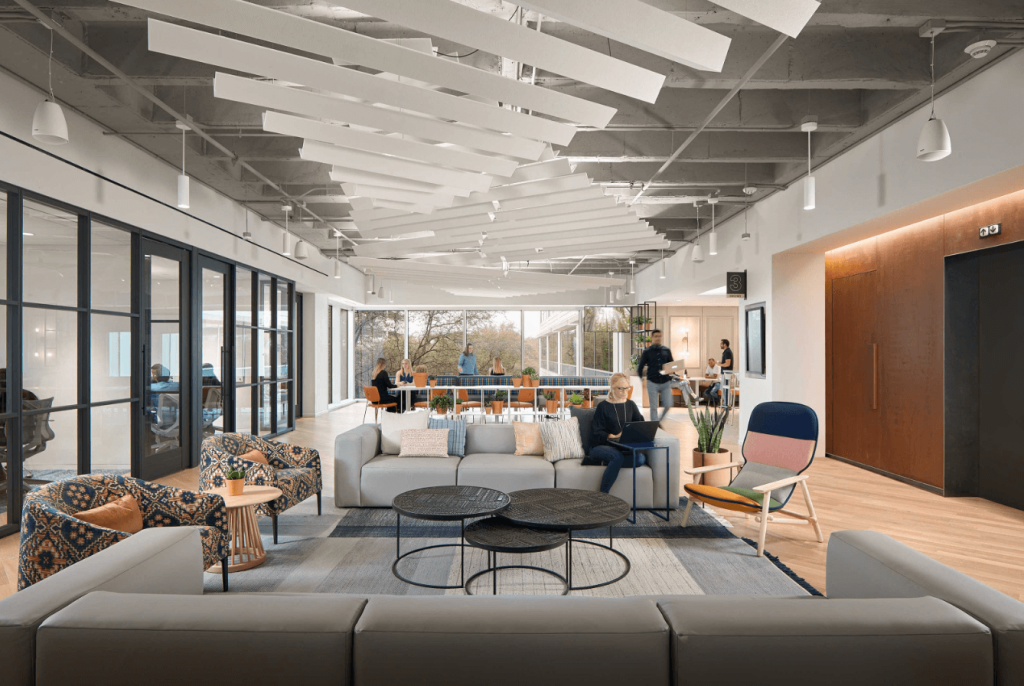
Shared conference rooms, lounges, and kitchens can reduce the amount of private square footage you need.
Analyze Daily Operations
Ask yourself:
- How many employees work onsite daily?
- How often do clients visit?
- Do employees need private offices?
- Is storage necessary?
These questions help narrow down realistic office requirements.
Book A Tour Today!
Why Flexible Office Space Is Growing in Northdale
Businesses want flexibility now more than ever.
Traditional office leases can lock companies into long contracts with expensive overhead. Flexible office providers solve that problem.
At Signature Workspace, businesses can access:
- High-speed internet
- 24/7 access
- Networking opportunities
- Mail handling
- Onsite management
- Professional meeting rooms
The company focuses on creating workspaces that support productivity while building a strong professional community in Northdale.
That matters because office environments influence how teams work, collaborate, and grow.
Amenities Businesses Should Look For
Office size is important, but amenities matter too.
Businesses should prioritize:
Reliable Internet
Fast internet is non-negotiable today.
Accessibility
Employees and clients need convenient parking and easy access.
Comfortable Meeting Spaces
Professional conference rooms improve client interactions.
Break Areas
Employees perform better when they have spaces to recharge.
Security and 24/7 Access
Flexible schedules require secure access at all hours.
A smaller office with excellent amenities often provides more value than a larger outdated office.
Conclusion
Now, what is a typical office space size? However, for most small businesses the answer is 150-3,000 square feet depending on their staffing, operations and future growth plans.
The trick is to select a workplace that lends itself to productivity without blowing the budget on empty space. Often it’s about much more than square footage (elevator, access to public transportation, offering flexible memberships, professional amenities and layouts).
Increasingly flexible workspace solutions — which adapt to their changing needs — are becoming the choice of Northdale businesses. Be it a private office, coworking membership or professional meeting room, Signature Workspace offers modern workspace solutions to integrate and help businesses with productivity while keeping professionalism.
We are your only stop to discover better office space options in Northdale — explore flexible alternatives that cater to your business needs, while also fitting the bill.
Looking for the right office setup in Northdale? Book a tour. Signature Workspace offers flexible office solutions, coworking spaces, and professional meeting rooms designed to support businesses of every size.
Book A Tour Today!
Frequently Asked Questions
Q: How much office space does a small business need?
A: Most small businesses need between 500 and 2,000 square feet depending on employee count and office functions.
Q: What is the average size of a private office?
A: A typical private office ranges from 100 to 250 square feet.
Q: Are coworking spaces cheaper than traditional offices?
A: Yes. Coworking spaces usually reduce costs because amenities and utilities are shared.
Q: How do I know if my office is too small?
A: Common signs include overcrowding, lack of meeting space, poor storage, and reduced productivity.
Q: What amenities should modern office spaces include?
A: Businesses should look for high-speed internet, meeting rooms, secure access, parking, and shared amenities.