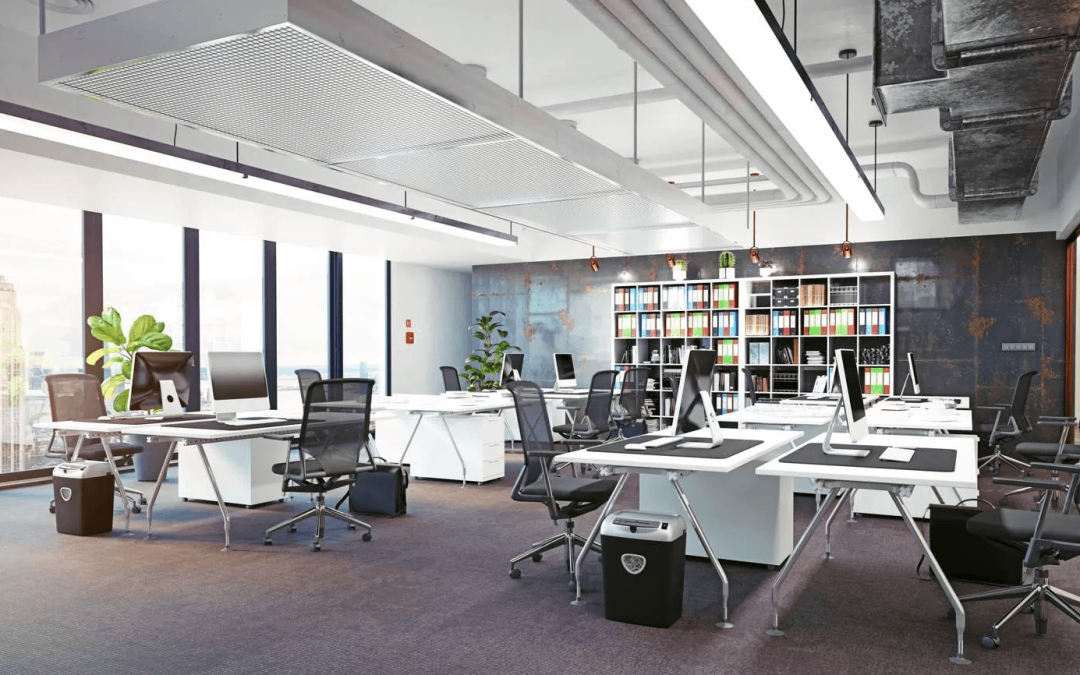
For a long time, we built our shops and offices to be predictable, safe, and “efficient“—which usually just meant boring as hell. By the time we hit, that old-school way of thinking is dead in the water. The next shift in business demands some backbone, a “human-first” mindset, and AI that actually pulls its weight instead of just sitting there. Your office isn’t just a box where you stash desks and bodies; it’s a living engine. It’s got to fuel focus, spark new ideas, and keep your crew’s head in the game, whether they’re across the city or standing right in front of you. As we scrap those stale ideas about what “productivity” looks like, the real question for a local owner isn’t “Is the parking lot full?” It’s whether your workplace predictions actually result in a space that works as hard as the people inside it.
Key Takeaways
- AI as a Foreman: Stop “using” software and start putting digital agents to work as legitimate members of the crew.
- Experience Over Real Estate: Square footage is a liability unless it functions as a high-performance platform for the human engines driving your revenue.
- Career-Stage Design: Forget generational tropes; design your shop to support the hustle of a rookie and the wisdom of a veteran.
- Friction with Purpose: Movement isn’t “wasted time”—it’s intentionality that breaks stagnation and keeps the gears turning.
- Invisible Tech: If your team has to struggle with an app to join a meeting, your tech stack is failing the mission.
Get In Touch With Us Now
In a hurry? Call us at (813) 442-4643
Find a Place for Success
Common Sense Intel
Most businesses are drowning in dashboards, sensors, and “metrics,” but all that noise hasn’t made a single decision easier for the person in charge. You don’t need more info; you need insight you can actually use before the sun goes down. The owners who are staying ahead have stopped looking at spreadsheets and started looking at the “why” behind the movement.
- Space Utilization: Monitor how the shop floor is actually being used throughout a Tuesday afternoon, not just what the lease says.
- Value Mapping: Identify which parts of the workday the crew actually finds valuable and scrap the fluff.
- Layout Audits: Pinpoint how the physical layout is helping—or hurting—the way the team innovates on a project.
Data that just sits there is trash. Insight that helps you tweak a policy or redesign a workspace is the real power move. If your data doesn’t lead to a “wrench-in-hand” adjustment, stop collecting it.
Designing for the Career Path
The idea that a 22-year-old and a 60-year-old want totally different things from a job is mostly marketing hype. Across the board, the #1 reason people show up to a physical workspace is the same: they want to put their heads down and do work that matters. What actually changes things is where they are in their career, not the year they were born.
- The Rookie Stage: Anchor early-career hires with mentorship and face time so they actually learn the trade and the “unwritten rules” of the shop.
- The Pro Stage: Equip mid-career pros with the tools to collaborate and build their own networks without micromanagement.
- The Veteran Stage: Leverage veteran leaders for coaching and social “glue” that holds the culture together.
When you design for the stage of the career, your business grows alongside your people. It supports the hustle of a rookie and the wisdom of a pro at the same time.
High-Performance Fueling
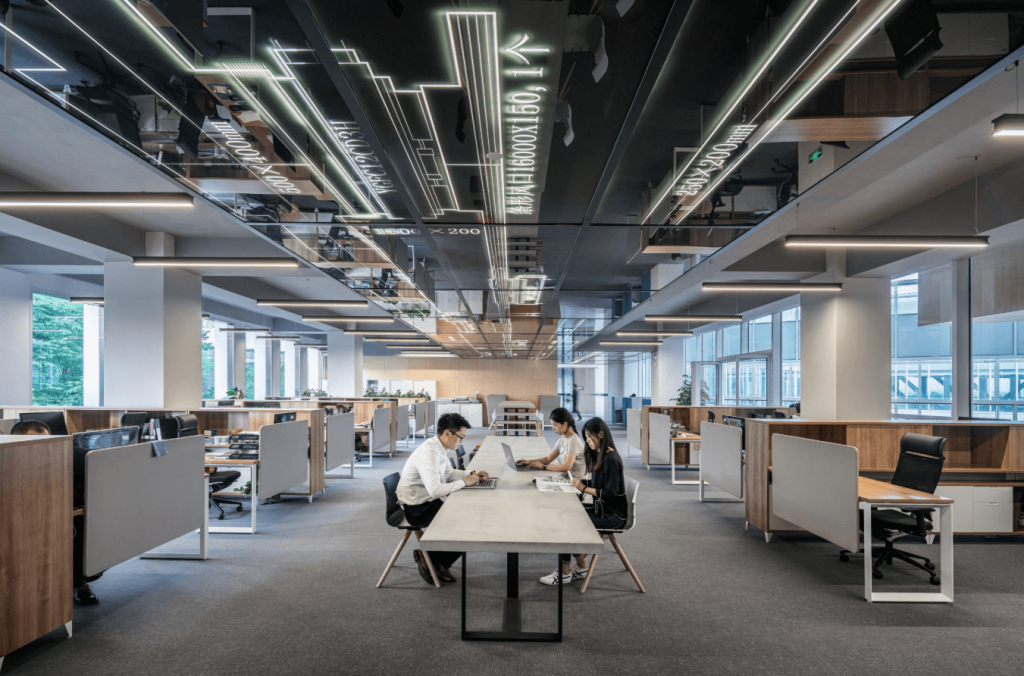
The days of leaning on a “beer fridge” to build culture are over. We’re moving toward something more authentic and a lot more productive. Modern social hubs in a local business are about clarity and real connection. Think high-end coffee stations, quiet nature-inspired break areas, and spots where people can actually hear themselves think.
These spaces focus on tactile textures and aromas that don’t feel like a sterile hospital waiting room. Adopt hospitality-style layouts that make people actually want to linger and talk shop. Protect the mental and physical health of the crew so they don’t burn out by Wednesday afternoon. Staying sharp isn’t a “perk” you offer once a year at the Christmas party. It’s the foundation of a shop that actually hits its numbers.
The Invisible Assistant
Your employees shouldn’t need a PhD to figure out how to turn on the lights or join a call. They don’t want twenty different apps; they want one system that just works. In a “phygital” setup, the tech stays in the background. It’s there to make things easier, not to be the star of the show. We’re talking about sensors and platforms that know what you need before you have to click a button.
- Frictionless Handoffs: Streamline the transition between digital design tasks and physical floor labor.
- Simple Interfaces: Deploy wearables or simple wall-mounted interfaces that cut out the “tech friction” that slows down production.
- Tool Support: Ensure the tools support the person, rather than making the person serve the tool.
If the tech is the first thing people notice, you’ve done it wrong. It should be the silent partner that keeps the gears turning.
Get In Touch With Us Now
In a hurry? Call us at (813) 442-4643
Find a Place for Success
Having the Right Tool for the Job
Your office shouldn’t feel like a game of musical chairs where someone ends up working on a stool at the lunch counter. Efficiency is great, but “optionality” is what actually gets work done. You need an ecosystem where the crew can choose the right environment for the task at hand.
- The Deep-Work Zone: Hard-wire quiet zones where a person can go “dark” and focus for three hours without being tapped on the shoulder.
- The War Room: Build loud, messy hubs where the team can hammer out a plan and whiteboard a solution together.
- The Huddle Spot: Carve out small corners for a quick breather or a private phone call.
When you give people the freedom to choose where they sit based on what they’re doing, the quality of the work goes through the roof.
Conclusion
This breakdown might have been put together with human grit and some serious “boots on the ground” experience—but the game is changing fast. Pretty soon, those AI agents we talked about will be helping us draft these strategies, sharpening our “shop talk” and making sure our workplace predictions stay ahead of the curve. They won’t take away the gut feeling you have as an owner, but they’ll sure as hell give you better data to back it up.
At the end of the day, the human element is what closes the deal. The future isn’t about the shiniest tech or the trendiest furniture. It’s about building a place where your crew feels supported, connected, and ready to work. The tools might be digital, but the heart of your business is still 100% human.
Ready to get to work? Call Signature Workspace today to talk about how we can help you build a workplace that actually moves the needle.
Frequently Asked Questions
What is the “Human Engine” concept?
It’s the idea that your workplace should be designed to fuel the mental and physical energy of your people, treating the office as a tool for production rather than just a storage unit for staff.
How does AI actually help on the shop floor?
AI acts as a digital foreman, handling the technical documentation, scheduling, and data research so your human crew can focus on the work that requires grit and expertise.
Are these “workplace predictions” only for big corporations?
Absolutely not. Local shops and mid-sized businesses stand to gain the most by being more agile and human-centric than the giant, slow-moving corporations.
Why is “friction” in a layout considered a good thing?
Because walking across a building to a specific “deep work” zone forces a mental shift. It stops people from operating on autopilot and encourages intentional focus.
How do I start redesigning for “mindset” on a budget?
Start by designating clear zones. You don’t need a renovation to say, “This corner is for zero interruptions” and “This table is for loud brainstorming.”
Get In Touch With Us Now
In a hurry? Call us at (813) 442-4643
Find a Place for Success